01
Trigger
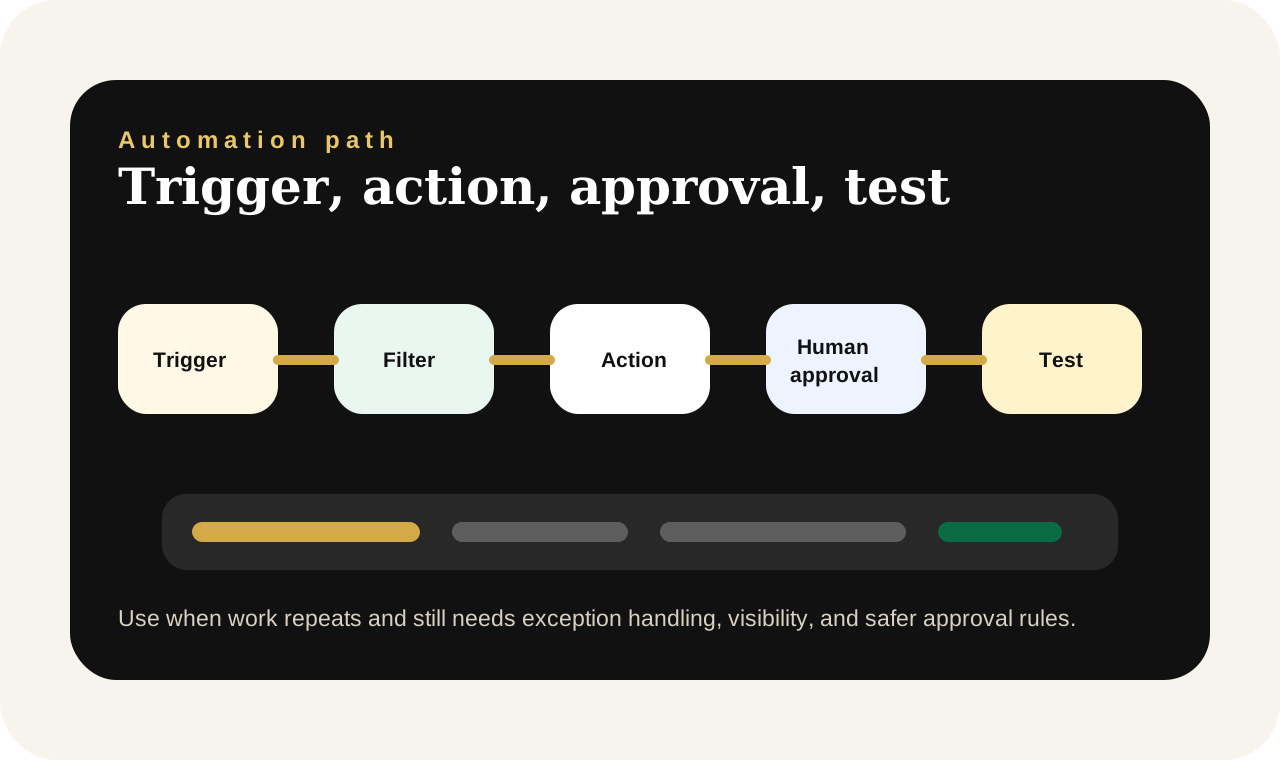
Lead status changes to quoted, pending, unpaid, or inactive.
Start here
Start with the repeated task first. Name what triggers the work, what information is needed, what should happen next, and where a person must approve exceptions before anything goes live.
01
Lead status changes to quoted, pending, unpaid, or inactive.
02
Customer stage, Service type, Previous message
03
Follow-up message sequence.
04
User approves message before sending.
Payment route
Use the workspace or quote path first. Pay only when the output, subscription, deposit, or scoped delivery step is clear enough to approve.
Payment paths include direct PayPal Checkout where configured, a hosted PayPal fallback, and quote-first requests for custom builds. PayPal may support wallet payments plus eligible credit and debit cards.
Recommended UI model
No-code automation builder with connected steps, rule chips, and a test run panel.
Choose the lightest useful path
Best when the team still needs to agree on the steps, inputs, approvals, and exceptions.
Best when the repeated task is already clear and you need a safer trigger-action-approval path.
Best when this automation needs dashboards, accounts, integrations, reporting, or ongoing operational control.
Automation setup page
Send polite follow-ups to customers who asked for prices, received quotes, started bookings, or went silent.
This page is built to help a business connect an operational bottleneck to a realistic automation path instead of treating automation like a vague promise.
Automation operations room
This automation path is designed to reduce repeated operational work while keeping the approvals, exception handling, and team visibility that real businesses still need.
Trigger
Lead status changes to quoted, pending, unpaid, or inactive.
Output
Follow-up message sequence.
Human checkpoint
User approves message before sending.
Pain point
Many leads disappear because no one follows up at the right time.
Best-fit lane
This route is strongest when reminders, confirmations, approvals, or updates are happening often enough that teams are relying on memory, screenshots, and manual follow-up.
Human checkpoint
User approves message before sending.
How the automation works
01
The workflow starts when a customer has gone quiet after a quote, booking step, or payment discussion.
02
The follow-up is shaped by what the lead already received, how long it has been, and how firm or gentle the tone should be.
03
A human can review the first nudge, second reminder, or final polite follow-up before it reaches the customer.
04
The message should guide the prospect to confirm, ask a question, pay, or close the loop instead of staying vague.
Human-centered overview
This automation is useful when the business already gets leads but loses too many after the first inquiry. Kyro helps time the follow-up better, keep the tone polite, and make the next step clearer so the message feels useful instead of desperate.
The goal is not just speed. It is calmer operations, clearer handoff, and fewer repeat mistakes in a live business environment.
Not yet when
If the business has not agreed on the process yet, start with a tool or workflow-design conversation first. Good automation should follow clarity, not replace it.
Follow-up message sequence.
Hi Mercy, just checking in on the cleaning quote we sent earlier. If you still need the service this week, I can confirm availability and help you lock in the booking.
User approves message before sending.
Commercial model
Kylescope automation requests are scoped for international delivery, structured around business impact, and finalized through a PayPal Checkout quote with eligible card options after review.
Best-fit use cases
Setup request form
Share the business name, where the task happens, how often it happens, the current manual process, the desired automatic result, whether a human should still approve the message, and the budget or currency path.
The clearer the request is about trigger, approvals, exception handling, and business risk, the easier it becomes to scope an automation that feels dependable after launch.
FAQs
Yes. The workflow can prepare staged follow-ups instead of only one message.
No. The tone can be kept polite, warm, or firm depending on the lead stage.
No. International teams can also use the same logic for remote sales and service follow-up.
Related paths
Use the tool first if you need a one-off follow-up message before requesting a recurring workflow.
Useful when the drop-off problem begins with slow or unclear quotes rather than follow-up timing alone.
Best when follow-up should also connect to saved records, statuses, or wider customer workflows.